If you’re new to overlanding, the language alone can feel like its own trail to navigate. Words like rigs, kits, recovery, and trails get tossed around casually in camp conversations and on social media, but they each represent an important piece of the bigger picture. At its core, overlanding is about self-reliant travel and exploration by vehicle, where the journey matters just as much as the destination.
Along the way, you will hear enthusiasts talk about their rig, the vehicle they have built or modified for travel, and the kit they carry, which can include everything from recovery gear and camp kitchens to navigation tools. Overlanding also sits somewhere between traditional camping and off-roading. Some trips resemble extended road trips that lead to remote campsites, while others involve navigating rugged trails, technical terrain, or obstacles that require careful driving and the right equipment.
Understanding the terminology helps unlock the culture behind the adventure. Learning how to find trails, understanding their difficulty, and knowing when recovery gear becomes essential all help overlanders travel farther and more confidently. The following glossary breaks down some of the most common terms you will encounter as you start exploring the world of overlanding.
Travel and Trip Terms
Overlanding
Vehicle-based travel that emphasizes self-reliance, exploration, and extended time on the road or trail. The journey itself is often the primary goal rather than simply reaching a destination.
Camping vs Overlanding
Overlanding centers on traveling to remote places, where the journey itself is the experience. Camping, by comparison, typically focuses on staying at a campsite for recreation or relaxation, making the destination the main goal.
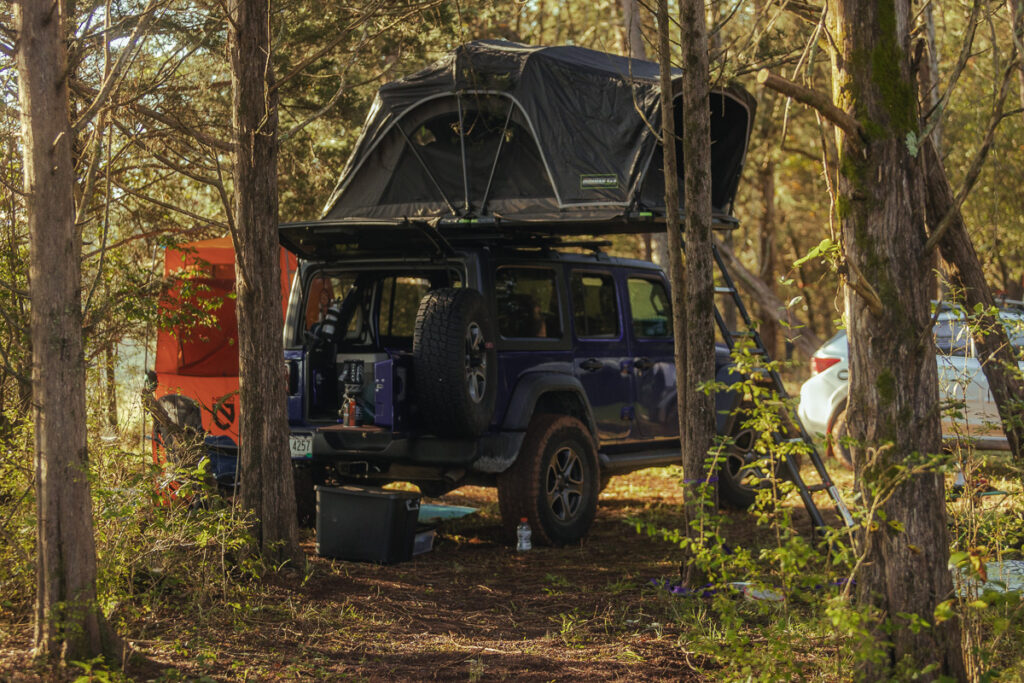
Expedition
A longer and more remote overland trip that often requires detailed planning and self-sufficiency.
Route / Track
A planned path or trail used for travel. GPS tracks are often shared between overlanders.
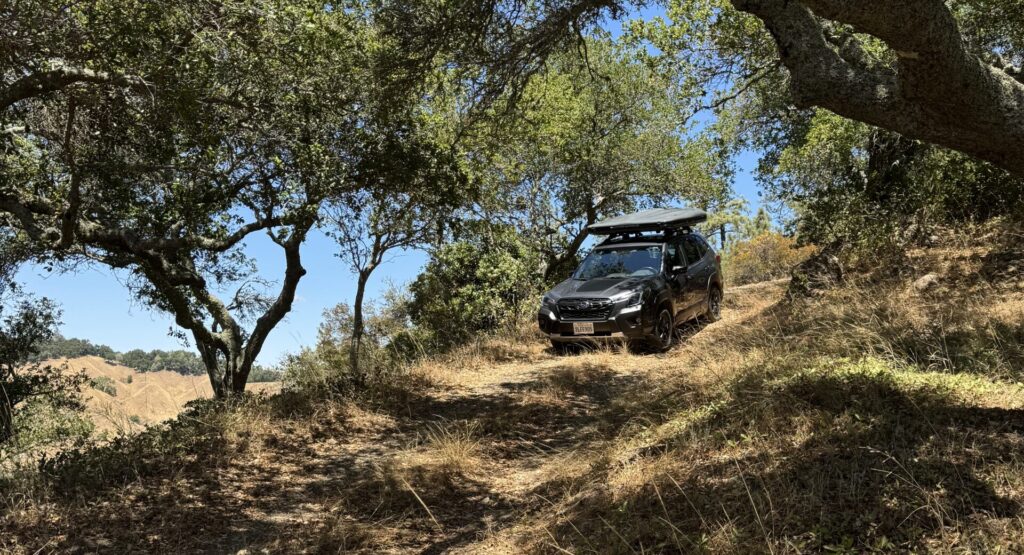
Waypoints
Specific GPS points used for navigation such as campsites, fuel stops, or trail intersections.
Dispersed Camping
Camping outside of developed campgrounds, often on public lands such as BLM (Bureau of Land Management) or National Forest areas. Instead of designated campsites with amenities like restrooms, picnic tables, or hookups, dispersed camping usually means setting up camp in undeveloped areas along dirt roads, forest service roads, or remote clearings. Camping here is often free of charge, but may want to check local rules and regulations.
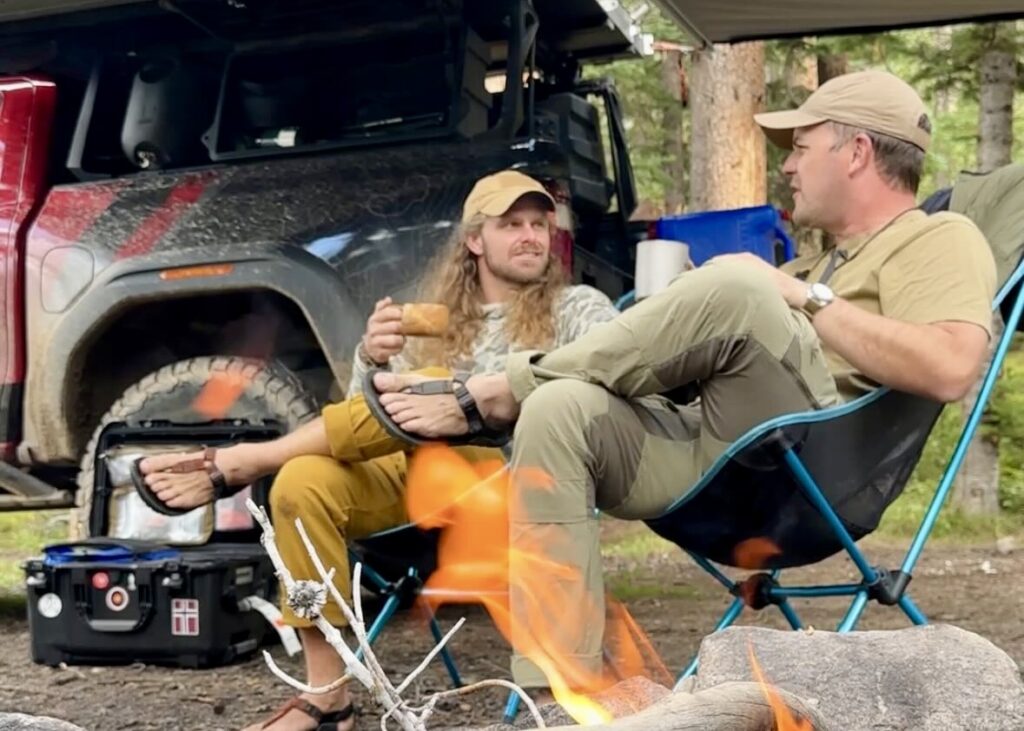
Base Camp
A central campsite used for multiple days while exploring nearby trails.
Trails
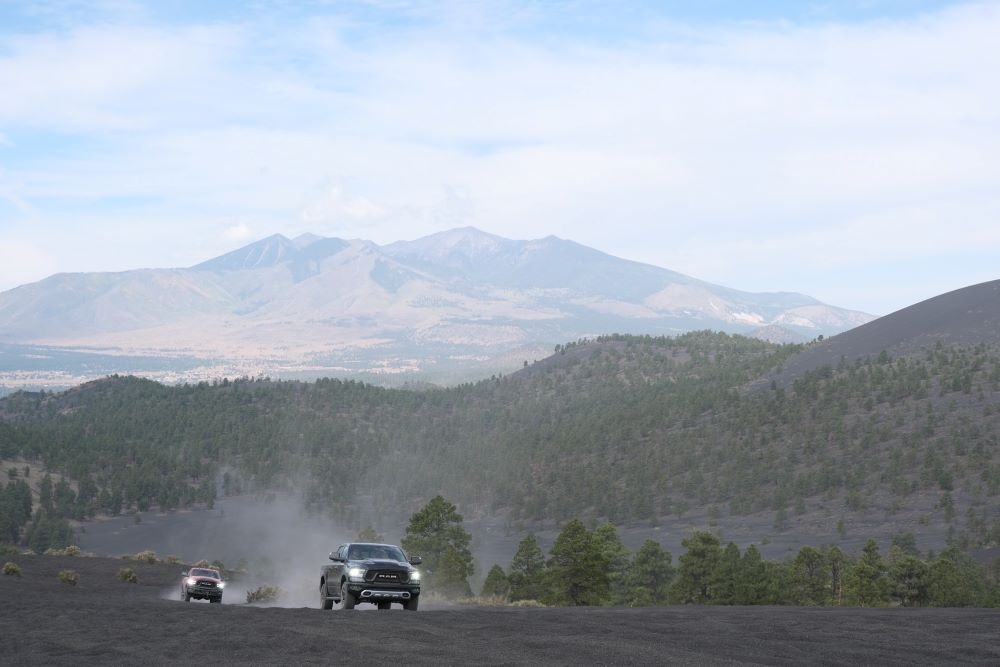
Routes that vehicles can travel beyond paved roads. Trails range from maintained forest roads to technical routes that require careful driving and capable vehicles.
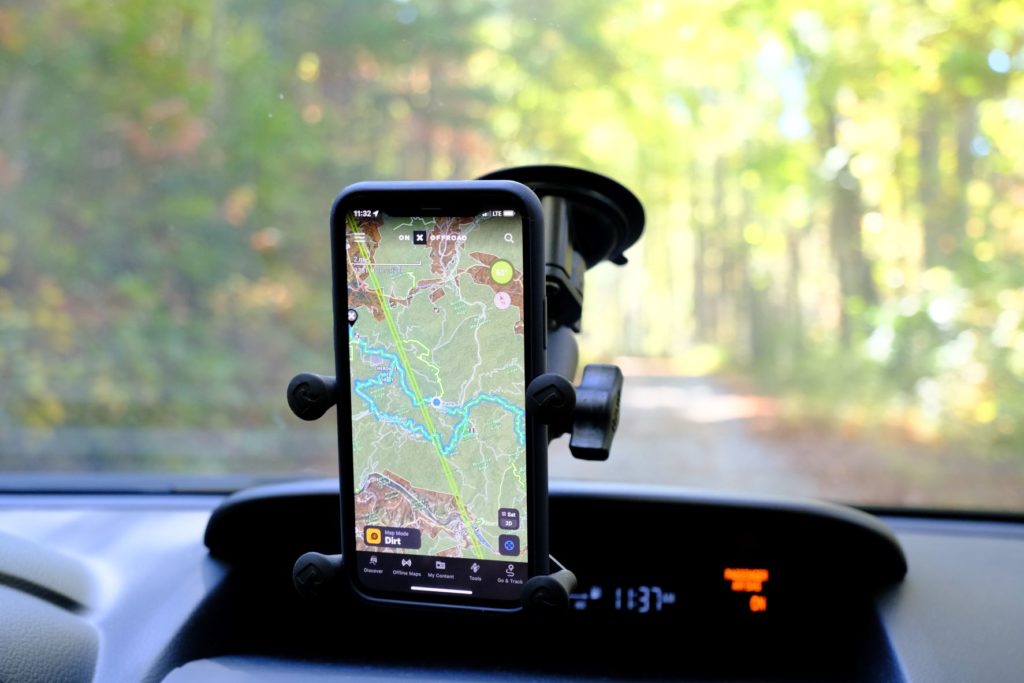
Finding Trails
Many overlanders use navigation tools and apps such as trail maps, public land resources, and platforms like OnX Offroad to locate legal routes and understand trail difficulty before heading out.
Trail Types
Trails vary widely in difficulty. They can include graded dirt roads, forest service roads, desert tracks, sand dunes, rocky mountain routes, or highly technical rock crawling sections.
Road Trip vs Off Road vs Rock Crawling
A road trip primarily uses paved roads with occasional scenic detours. Off-roading involves driving on dirt, gravel, sand, or other unpaved surfaces. Rock crawling is a specialized form of off-roading that focuses on slow, technical driving over large rocks and obstacles.
Recovery
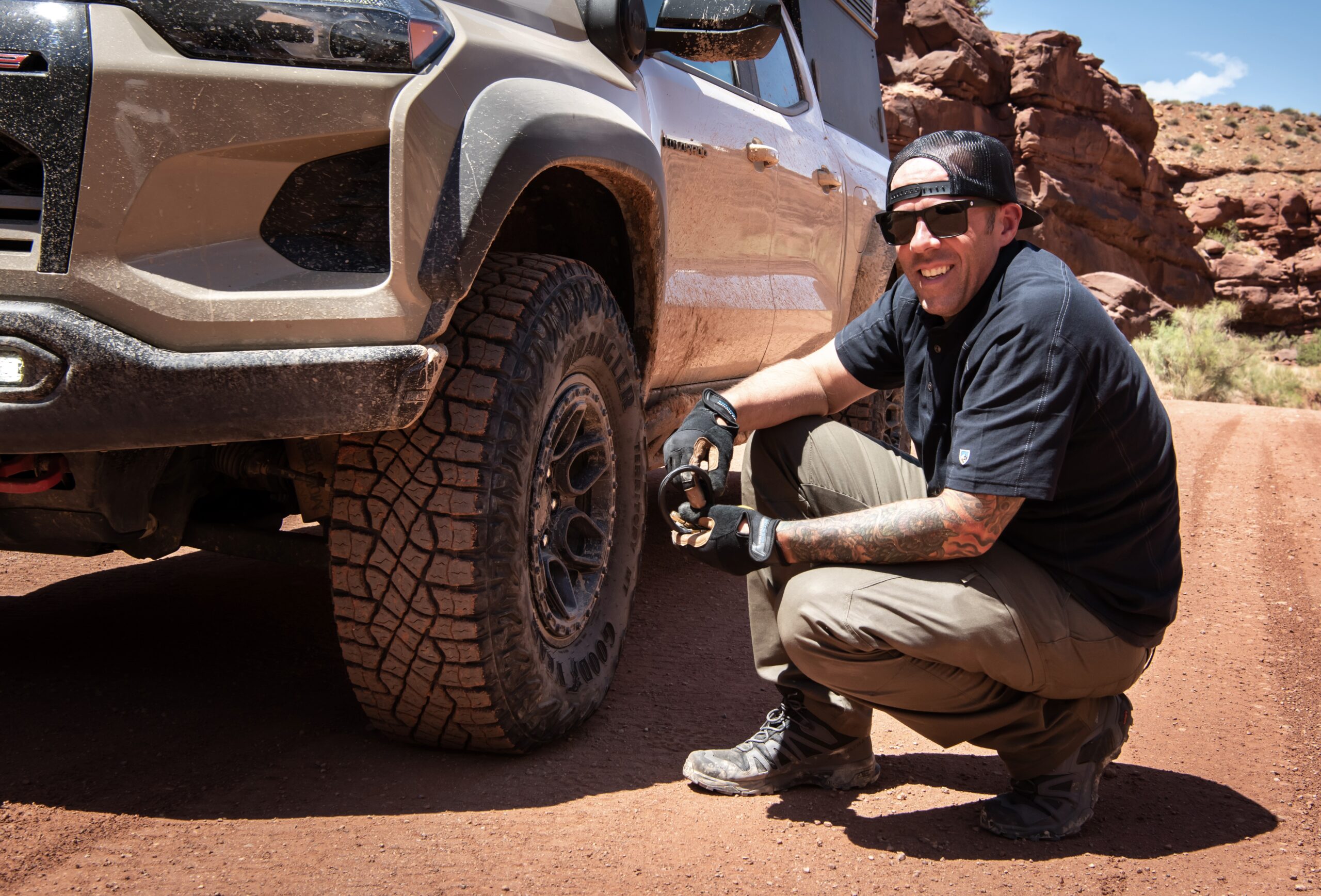
The process of getting a stuck or disabled vehicle moving again. Common recovery tools include traction boards, recovery straps, winches, and shovels. Understanding recovery techniques is an important part of safe overland travel.
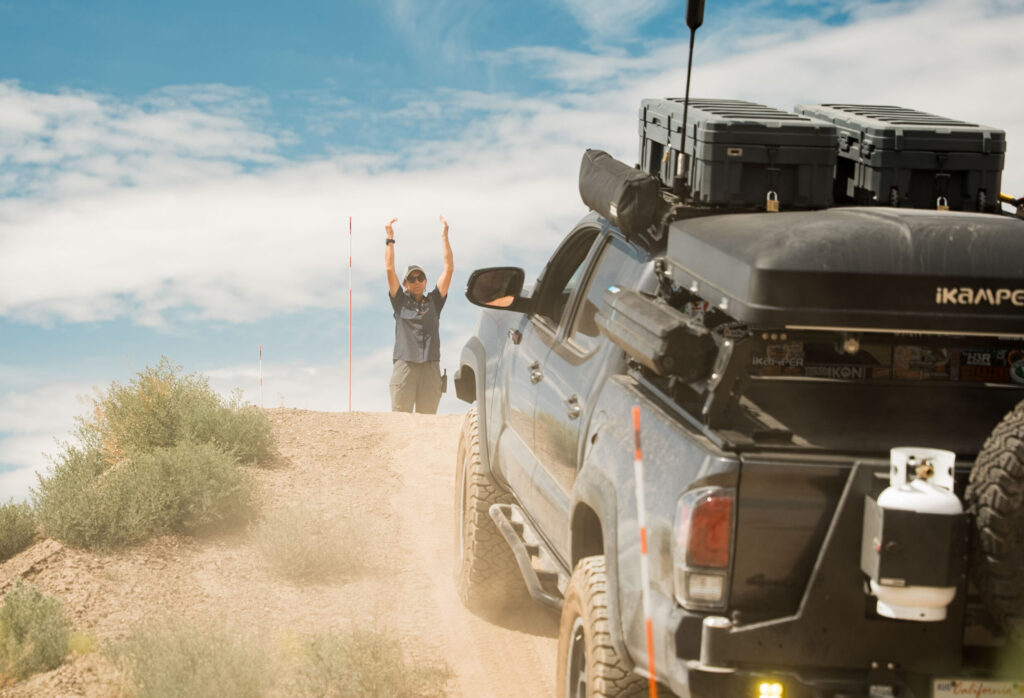
Spotter
A person outside the vehicle who helps guide the driver through obstacles.
Vehicle and Build Terms
Rig
An enthusiast’s vehicle that has been outfitted or modified for travel. A rig can be anything from a stock SUV with basic gear to a fully built truck with suspension upgrades, storage systems, and camping equipment.
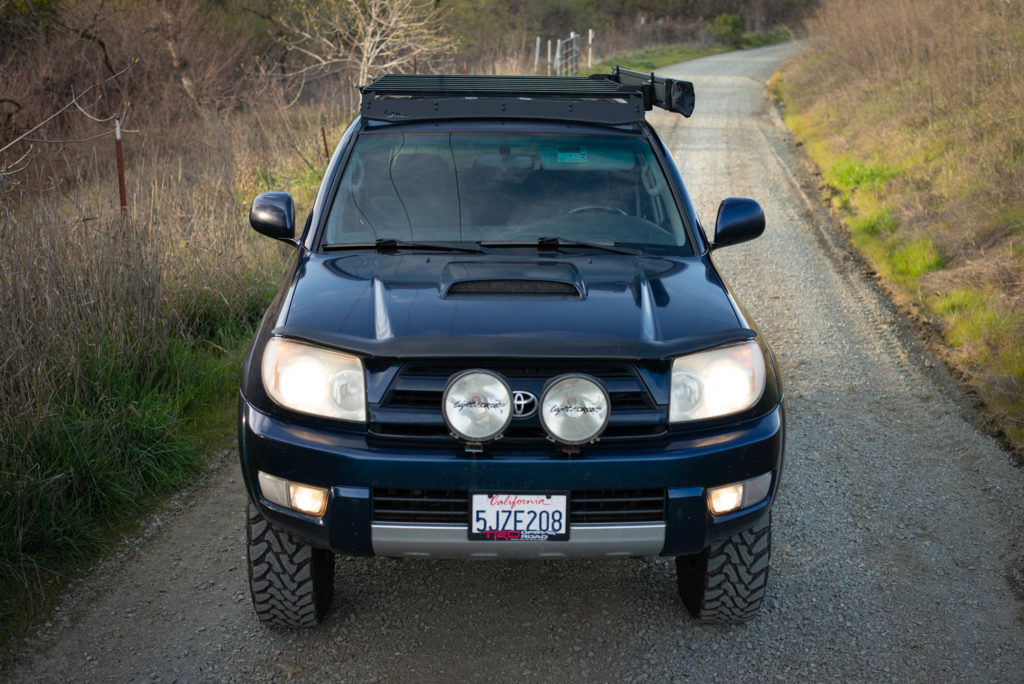
Build
The process of modifying a vehicle for travel. Enthusiasts often refer to their vehicle setup as their “build.”
Armor
Protective components such as skid plates, rock sliders, and bumpers that protect a vehicle when driving off-road.
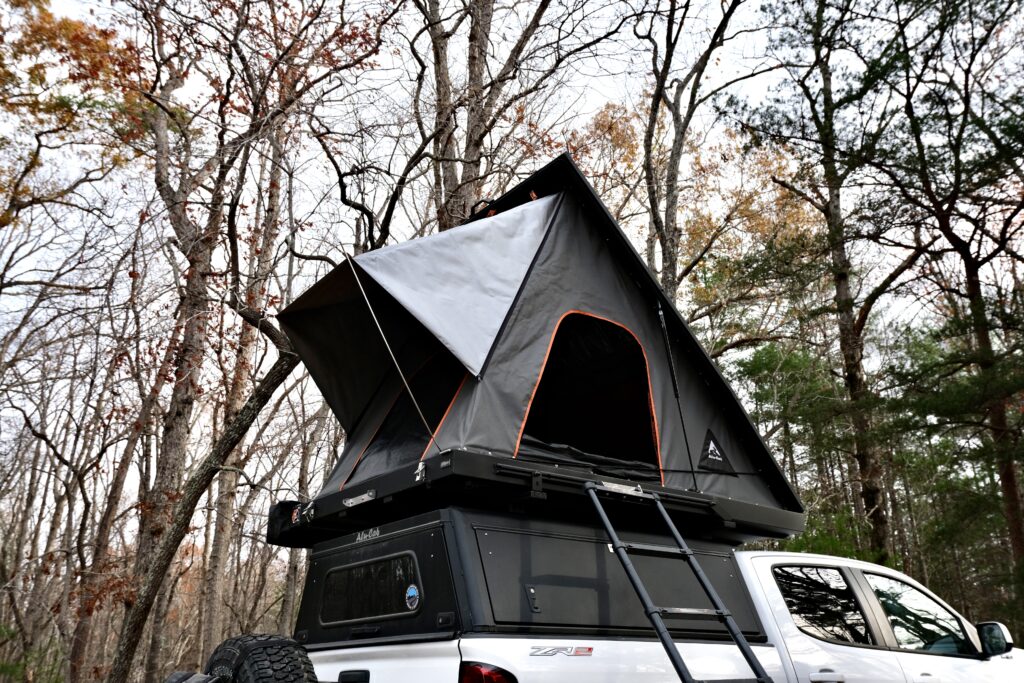
RTT (Roof Top Tent)
A tent that mounts to a roof rack and folds out for sleeping.
Lift
Suspension modifications that increase ride height to improve ground clearance and fit larger tires.
Articulation
How much a vehicle’s suspension allows the wheels to move up and down independently on uneven terrain.
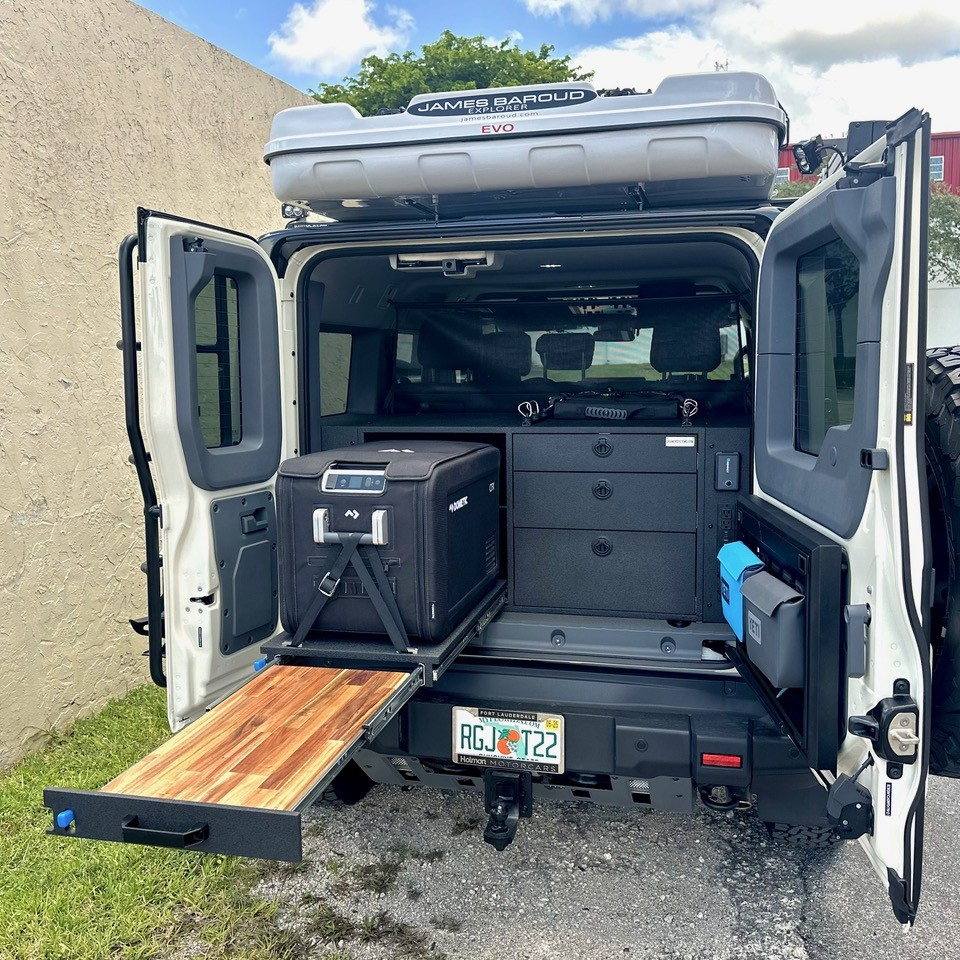
Drawer System
A storage setup is installed in the cargo area to organize tools, gear, and recovery equipment.
Kit
The gear and equipment are carried on an overland trip. This may include recovery gear, cooking equipment, navigation tools, water storage, lighting, and shelter systems.